
 Heating technology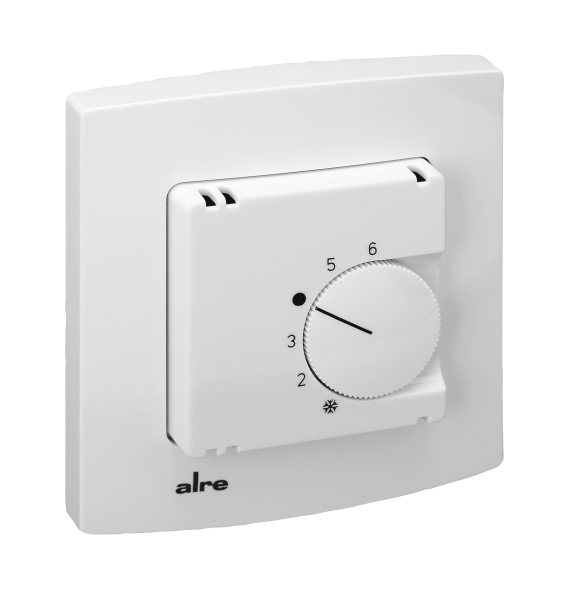

 Air conditioning
 Radio systems
 System technology
 Building automation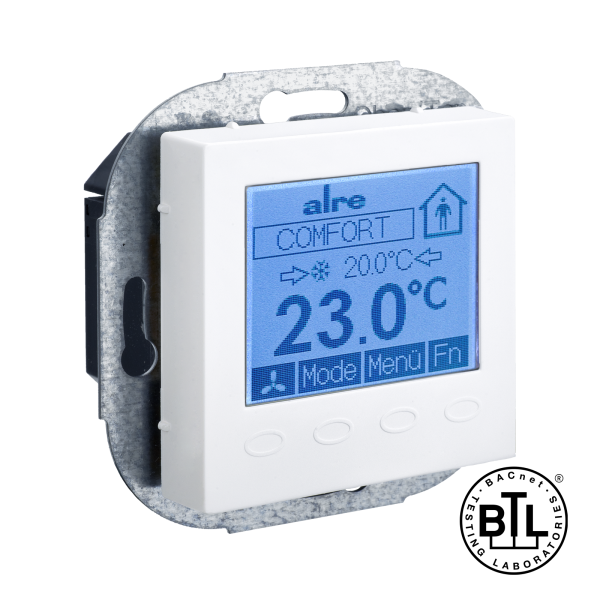
 Sensors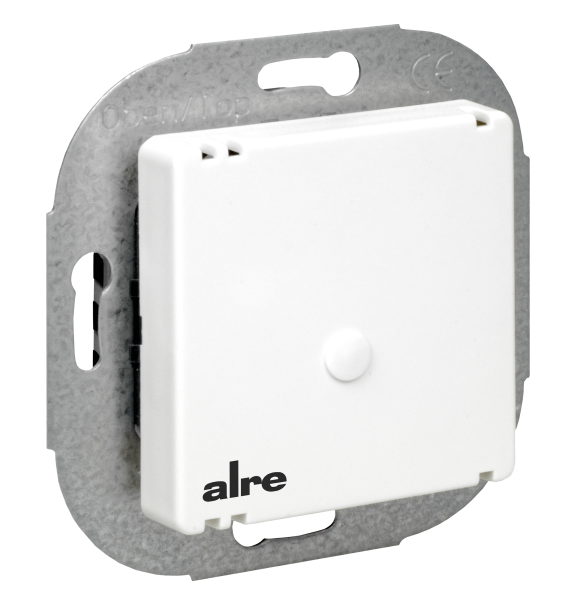
 Accessories/Miscellaneous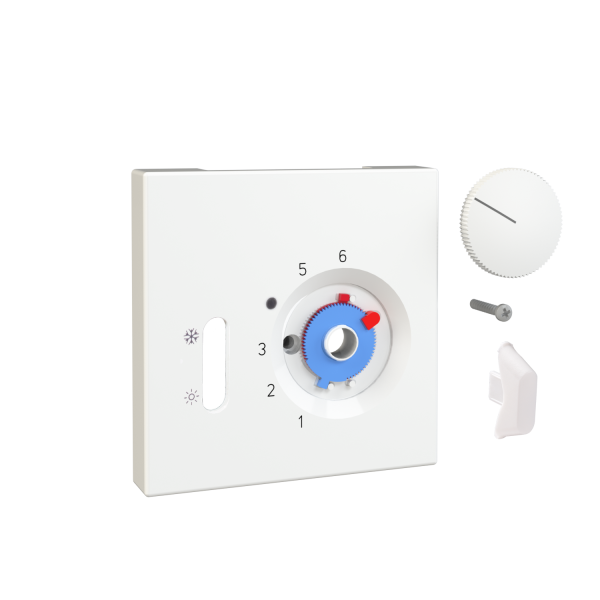


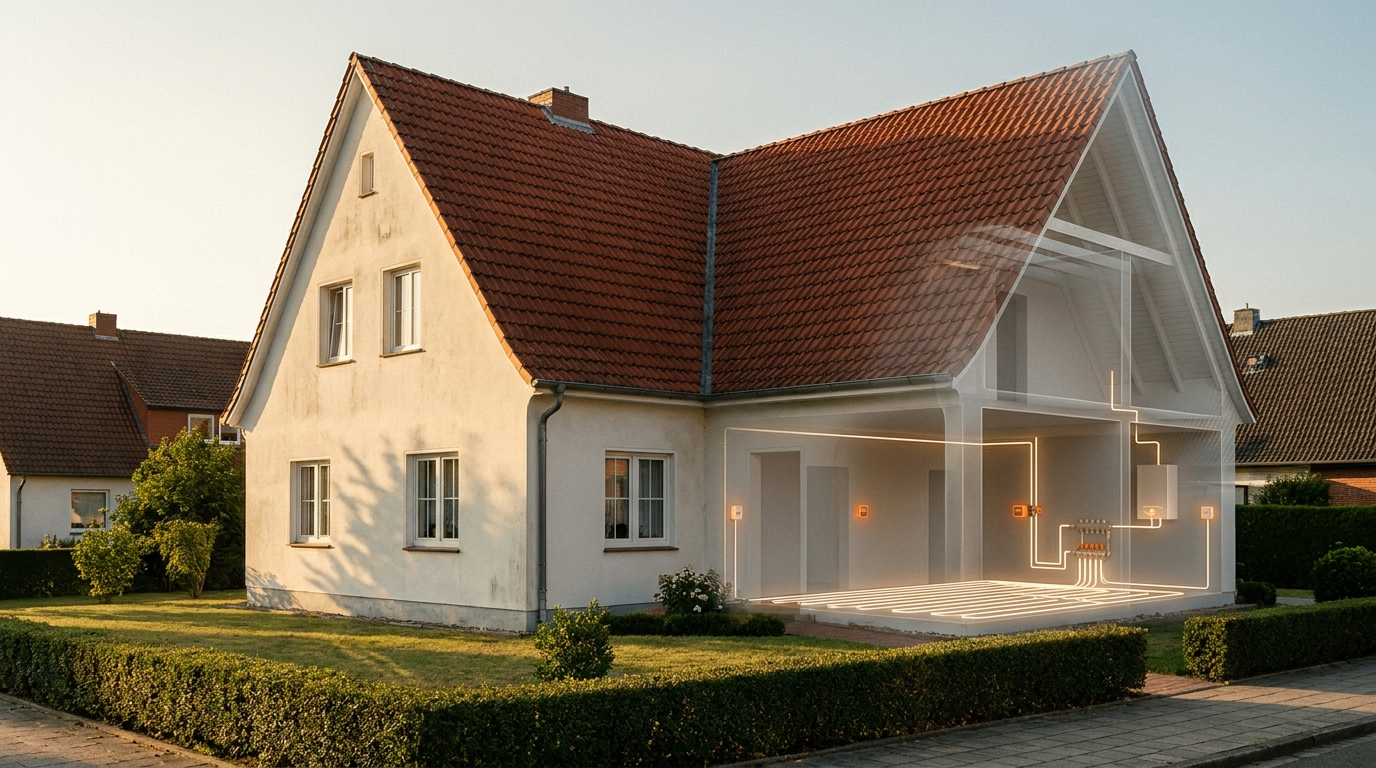
Heating, air conditioning, and control technology is currently undergoing a remarkable transformation. Whereas in the past the conversation often centered solely on new construction and state-of-the-art systems, the focus is now increasingly shifting to existing buildings. There are many reasons for this: rising energy prices, ambitious climate goals, and, not least, regulatory pressure that makes energy-efficient practices mandatory. But how can old buildings be made fit for the future? The answer lies in the intelligent integration of artificial intelligence (AI) and smart retrofit solutions.
Key Points at a Glance
- AI-powered building automation analyzes operational data, usage patterns, and outdoor temperatures, thereby reducing energy consumption while maintaining the same level of comfort.
- Retrofit Instead of a Complete Renovation: Existing systems can be retrofitted with modern control technology, which is often the fastest and most cost-effective way to improve energy efficiency.
- The revised EU Energy Performance of Buildings Directive (EPBD) is making smart control and regulation technology increasingly mandatory.
- Funding programs such as the Federal Funding Program for Energy-Efficient Buildings (BEG, including KfW Program 458) can cover up to 80 percent of eligible costs.
AI as a Booster for Energy Efficiency
Artificial intelligence is no longer the stuff of science fiction, but rather a key driver in modern building automation. Systems use AI to continuously analyze operational data, usage patterns, and even outdoor temperatures. Based on this, they dynamically adjust heating, cooling, and ventilation strategies. The result: significantly lower energy consumption combined with a high level of comfort for users. As highlighted in recent industry reports (see se-elektronic.com), AI also enables predictive maintenance. Inefficient operating conditions or impending equipment failures are detected early on, which prevents costly repairs and increases operational reliability. For MEP engineers, this greatly simplifies system optimization, and for electrical contractors, it opens up new service opportunities.
Retrofit: Unlocking the Potential of Existing Buildings
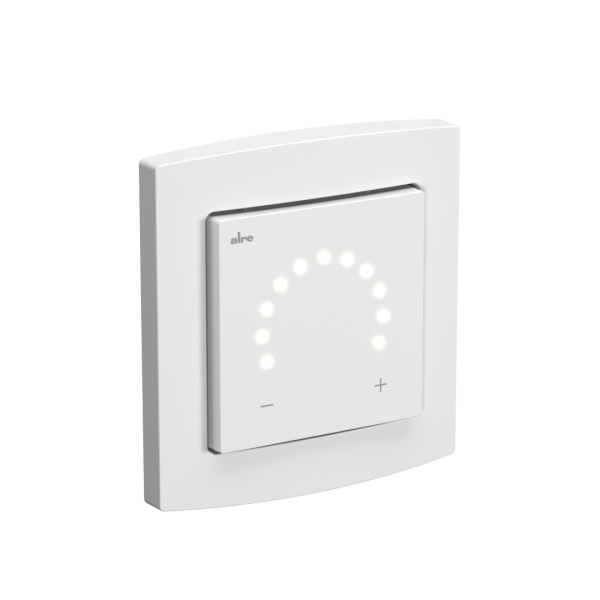
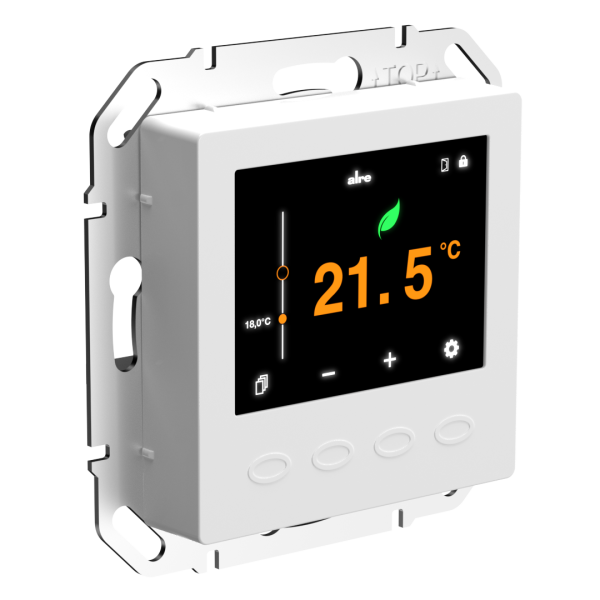
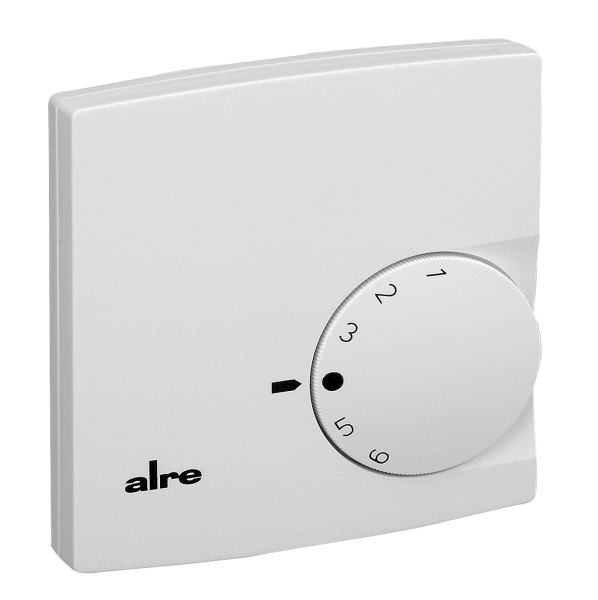
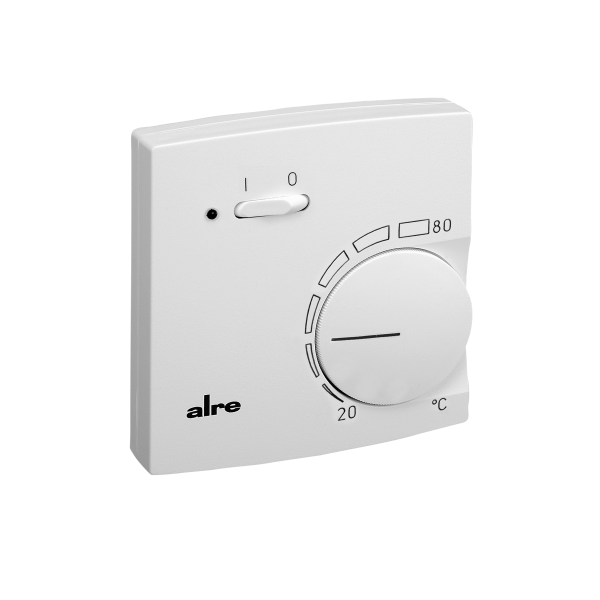
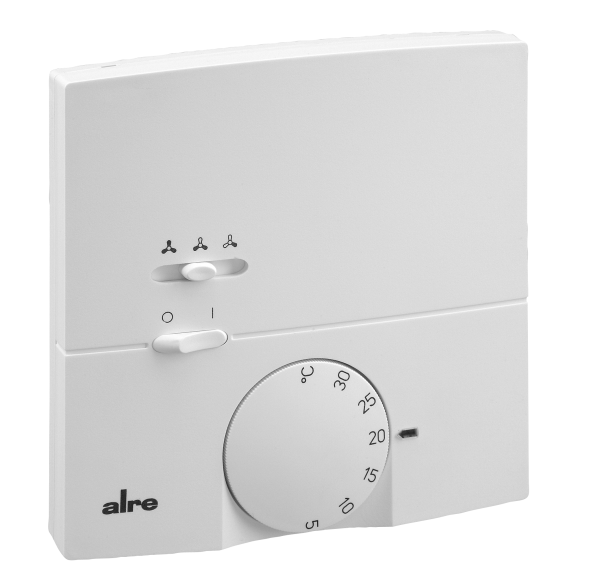
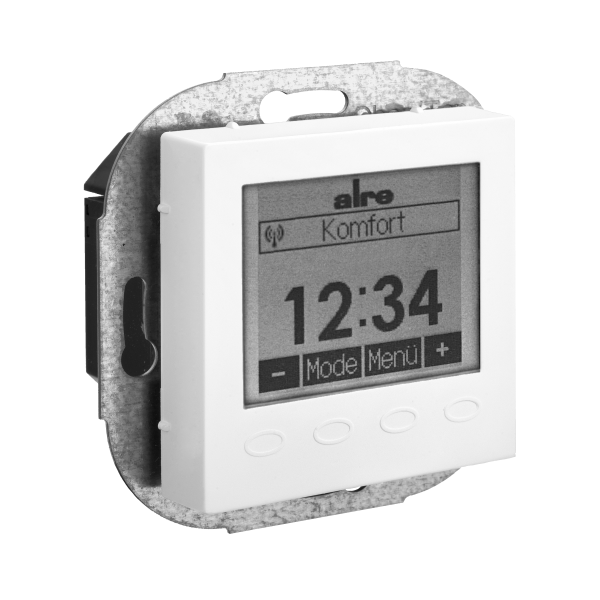
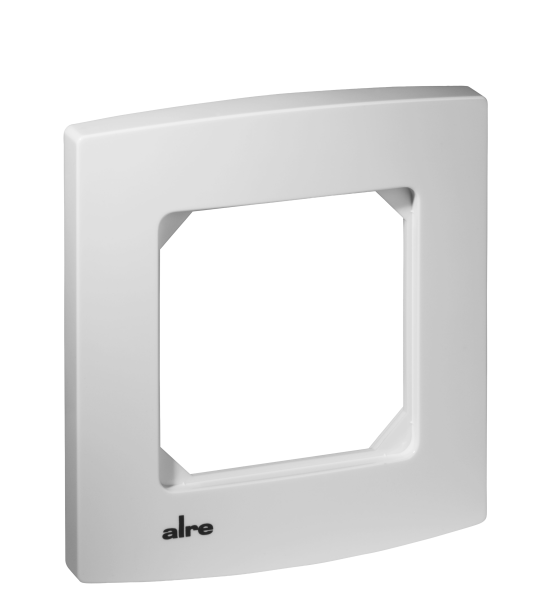
Germany’s building stock offers enormous potential for energy savings. Many systems are oversized, inefficient, or simply outdated. This is where retrofit solutions come in: Instead of expensive complete renovations, the existing infrastructure is intelligently upgraded. This ranges from room thermostats that can be integrated into existing switch plates to control systems that optimize the hydraulic balancing of heating circuits. The combination of existing technology and new smart features is often the fastest and most cost-effective path to greater energy efficiency. This applies not only to large commercial properties but also to residential buildings, where homeowners can achieve a great deal with simple measures.
Regulatory Pressure and Smart Incentives
The revised EU Energy Performance of Buildings Directive (EPBD) significantly tightens the regulatory framework and makes smart control and regulation technology mandatory. Energy-efficient buildings are now virtually inconceivable without modern building automation. However, this pressure should not be viewed solely in a negative light, as it goes hand in hand with attractive subsidy programs. The Federal Subsidy Program for Efficient Buildings (BEG) administered by KfW—for example, Program 458—supports private individuals in switching to renewable energy. Here, incentives such as the Climate Speed Bonus or the Income Bonus are relevant, which can cover up to 80 percent of eligible costs (details available at enpal.de or kfw.de). The Building Modernization Act (GmodG), which will replace the rules of the former GEG starting in 2025, also focuses on efficiency, albeit with more flexible approaches to heating system selection. For specialized contractors, this means that customers are not only technologically ready but also receive financial support, which makes the decision to adopt modern control technology considerably easier.
The Role of alre: Precision Meets Pragmatism
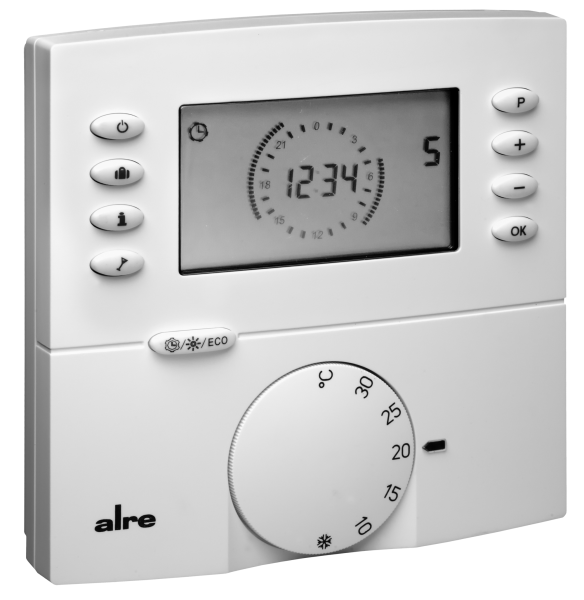
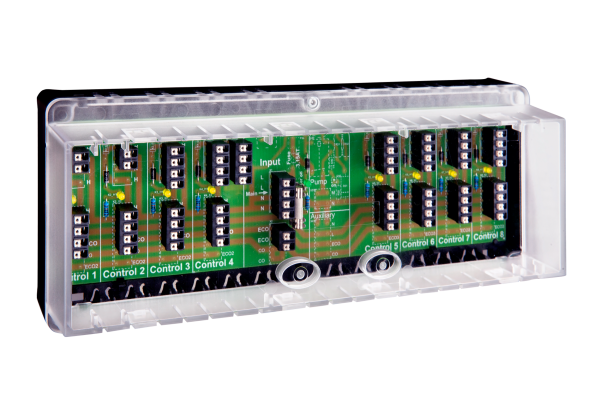
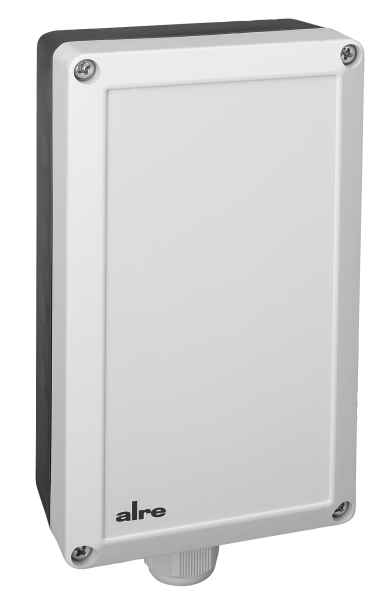
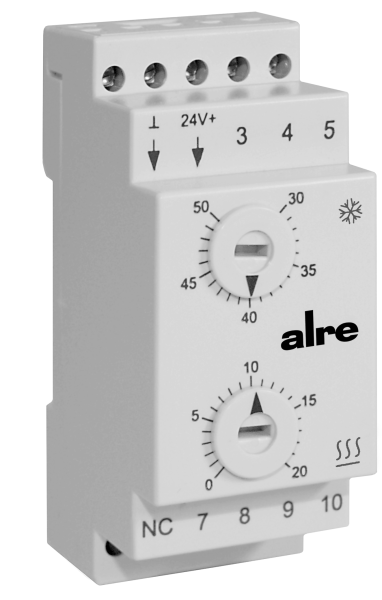
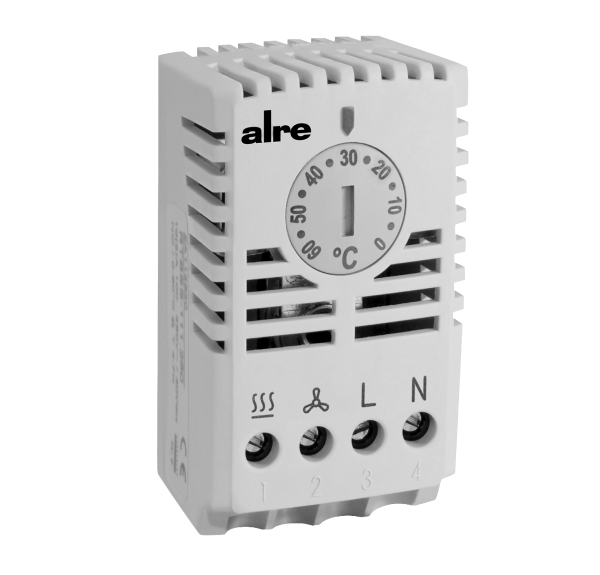
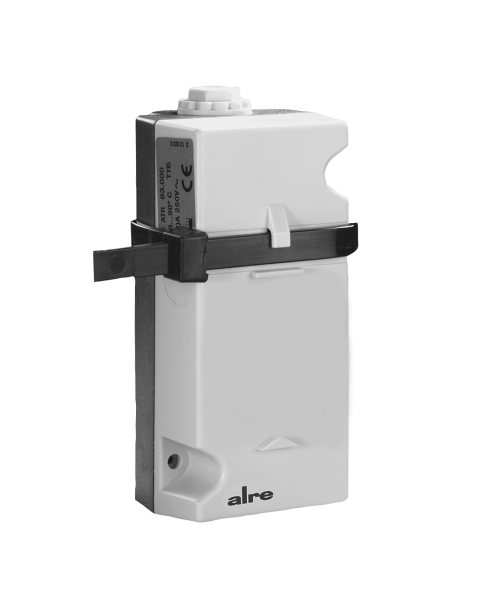
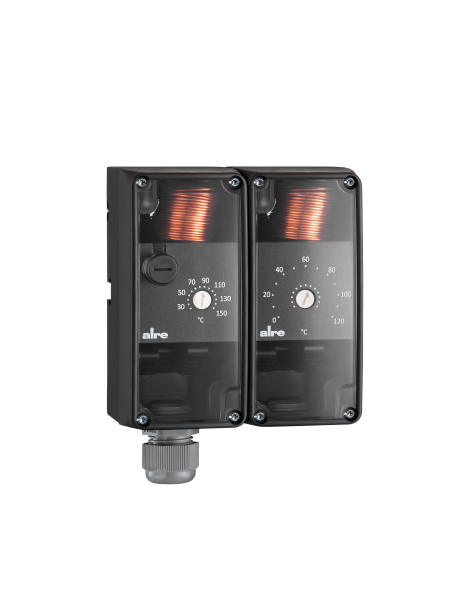
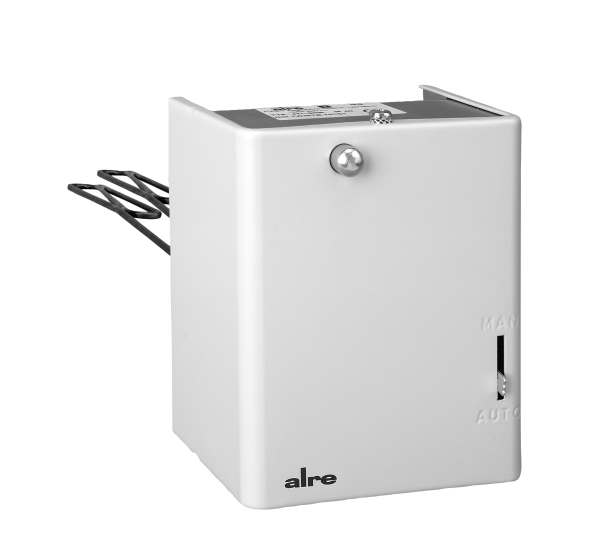
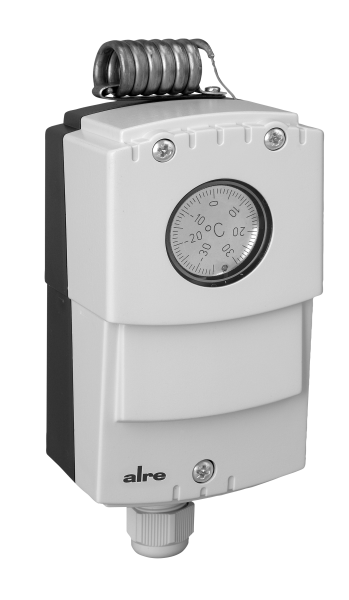
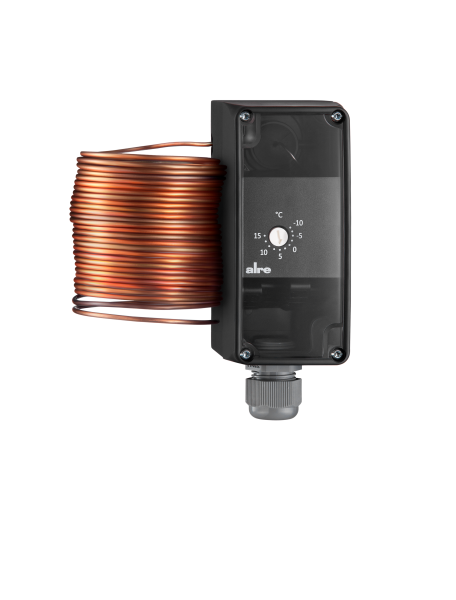
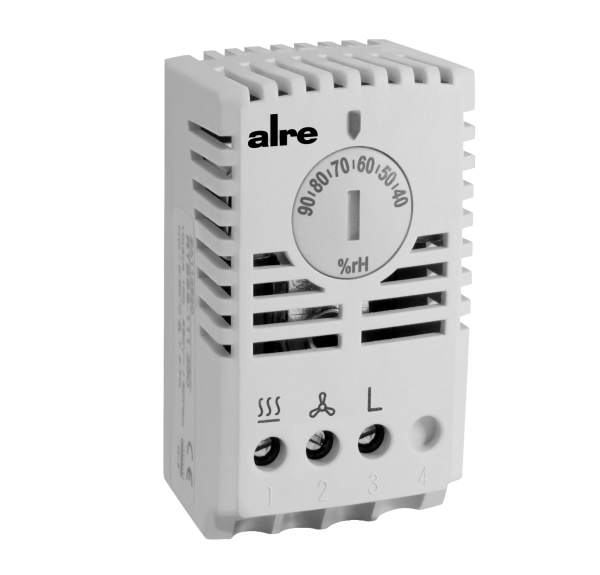
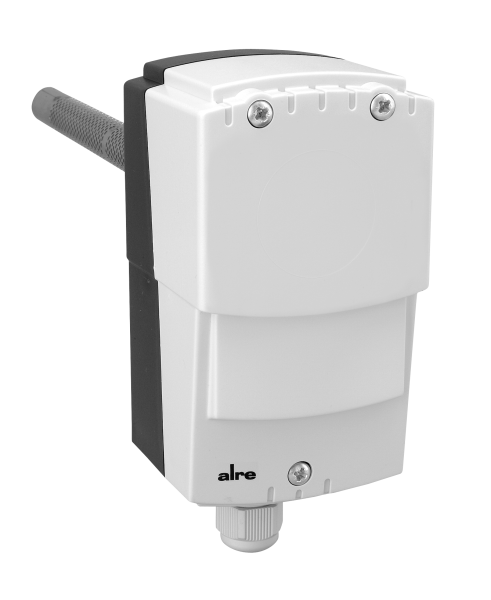
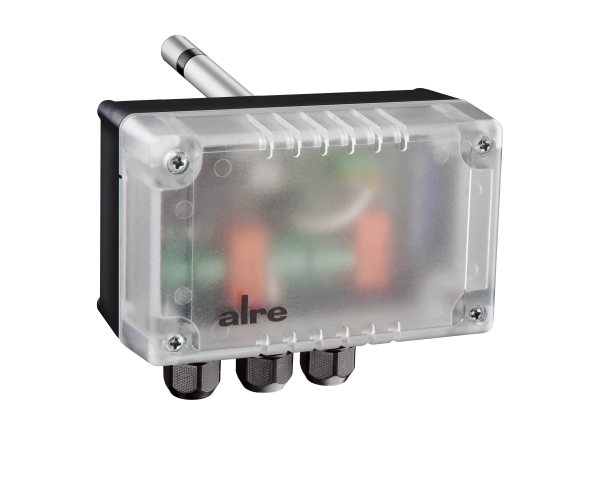
For decades, alre has been synonymous with precision control technology “Made in Germany.” Our solutions—ranging from flush-mounted thermostats with push-in terminals for heating systems to complex components for building services engineering—are ideal for retrofitting and optimizing existing buildings. We offer products that integrate seamlessly into existing systems and are valued by electrical contractors and building services engineers because they work reliably, are durable, and meet the highest quality standards. The future of building automation lies in intelligent, adaptable systems. With alre, you’re perfectly positioned to master these challenges and maximize energy efficiency in every building.
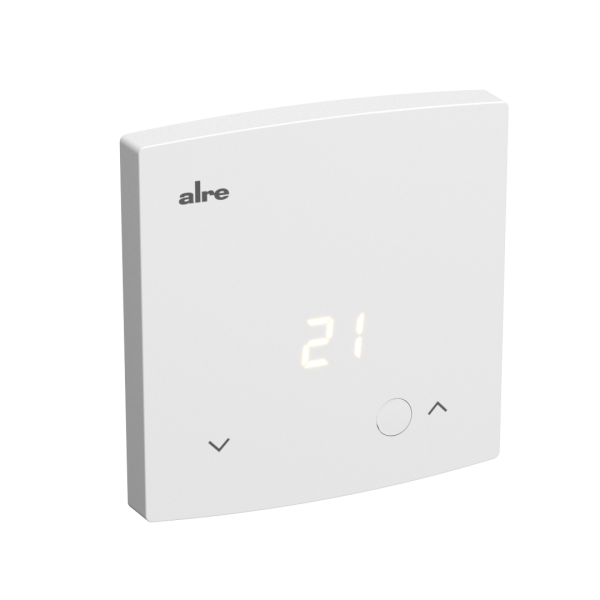
Our new NOVA flush-mount thermostat shows exactly how this works: It fits into most standard switch frames and can be integrated into a smart home via Matter, though this isn’t required. It’s precisely this open-system design that makes it the ideal choice for retrofitting existing homes. Check out the video “Luka Unboxes: NOVA! It Can Be Part of a Smart Home, But It Doesn’t Have To” on our YouTube channel for a real-world look.
Conclusion: Invest wisely, reap long-term rewards
The integration of artificial intelligence into building automation and the focus on retrofit solutions for existing buildings are not passing trends, but rather crucial steps toward an energy-efficient future. Specialized companies that embrace these developments can offer their customers solutions that are not only innovative but also economically sustainable. Homeowners and housing associations benefit from lower energy costs and increased comfort.
If you’d like to learn how you can make your projects future-proof with alre’s intelligent control technology, please contact us.
Sources: